Circles in a Forest by Dalene Matthee
Let’s be real here for a moment, most of us have never read the classics. We all feel uncomfortable when the subject comes up, terrified our literary ignorance is about to be unveiled. Many of us want to read them, and many more pretend to have done so. But the truth is most classics are terrible to read; sometimes because the language style is not conducive to a modern reader’s sensibilities and in (many) other cases because the book was always a slog to get through but literary worthies insisted that the messaging made up for it.
They are wrong it never makes up for it. Winners of modern literary prizes like the Pulitzer and the Booker are the same, 90% of them are functionally unreadable (this is not just me, I have surveyed numerous book people and all have agreed, prize-winners are to be avoided). So finding a classic book that is engaging and entertaining was its own special kind of experience.

Circles in a forest is a modern South African classic, which was ironically, recommended to me by a foreigner.
It’s beautifully written (which given it is translated to English from Afrikaans, is special twice over), emotional, and steeped in history. It was especially impactful for me, because I have been to Knysna and didn’t know any of this history. I never considered, while walking through the remnants of the great forest, how the wood would have been harvested before industrial machines.
I could not (as a creature of the grasslands) have imagined living rough in the forest with a family or the incredibly hard life those people led – being cheated left, right and centre. This is why the world needs more historical fiction to remind them what happens to the little people when there are no governments or laws to protect them from the monied class.
I absolutely did not know that Knysna once experienced a gold rush – and especially that it turned out there was no gold. Most importantly of all, I had no idea that there had ever been elephants in the forest, that is really not how we think of the giant creatures, is it?
Also there are STILL elephants in the forest!!
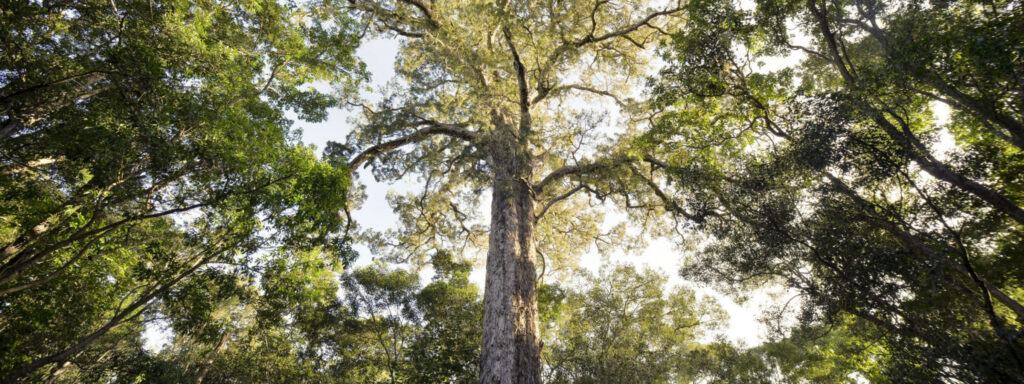
There is an overriding theme of environmentalism, which resonates powerfully with now. But then it’s starting to feel like environmentalism has been dogging our heels forever.
The author dug into the intense class division between English whites and Afrikaans whites in this story. It was something that became a major element to the Afrikaans Nationalist character, that is still felt (at least in some areas) in South Africa today. But which gets lost under the stories of black-white racism that characterised the latter half of the 20th century in this country.
For me the exploration of identity, feeling hemmed into the boxes other people build for you, and of not belonging, the push-pull of feeling a connection to a place, while the other inhabitants wont accept you spoke powerfully.
Of man’s incredible individualism and entitlement, that pure superior belief that the world belongs to him alone to destroy. Seen not just on the gold reef but even in the woodcutters and sellers themselves. And of the related ability of people to put a single person in the impossible position of trying to protect nature against this force, of berating that person for being unable to effect change or to cope with having to try do so all alone, as if nobody else had any responsibility in that regard.
And it really captures the messiness of family, of love and obligation and resentment. How sometimes your family can be the people trying hardest to cram you into a box, and how much it hurts when they cant understand that you don’t fit. And how those relationships will always have their hooks in you.
The book is just packed with thematic references everywhere. I cant imagine anyone who will not find something to connect to.

It plays well with structure, starting just before the climax and using short vignettes to illustrate how our protagonist got to this point. They are cleverly woven in with flashes of the here and now, so that the whole way along it feels like he is reflecting to himself on how he came to be here. The juxtaposition of then and now builds in a great deal of mystery. And while the protagonist gets a happy ending, that never feels inevitable. Nor does the author try to redeem the many bad players or humanity itself.
I’m really glad that I took a chance on this book because it is worth the name modern classic.