Feature Article in Conservation Magazine – October 2026
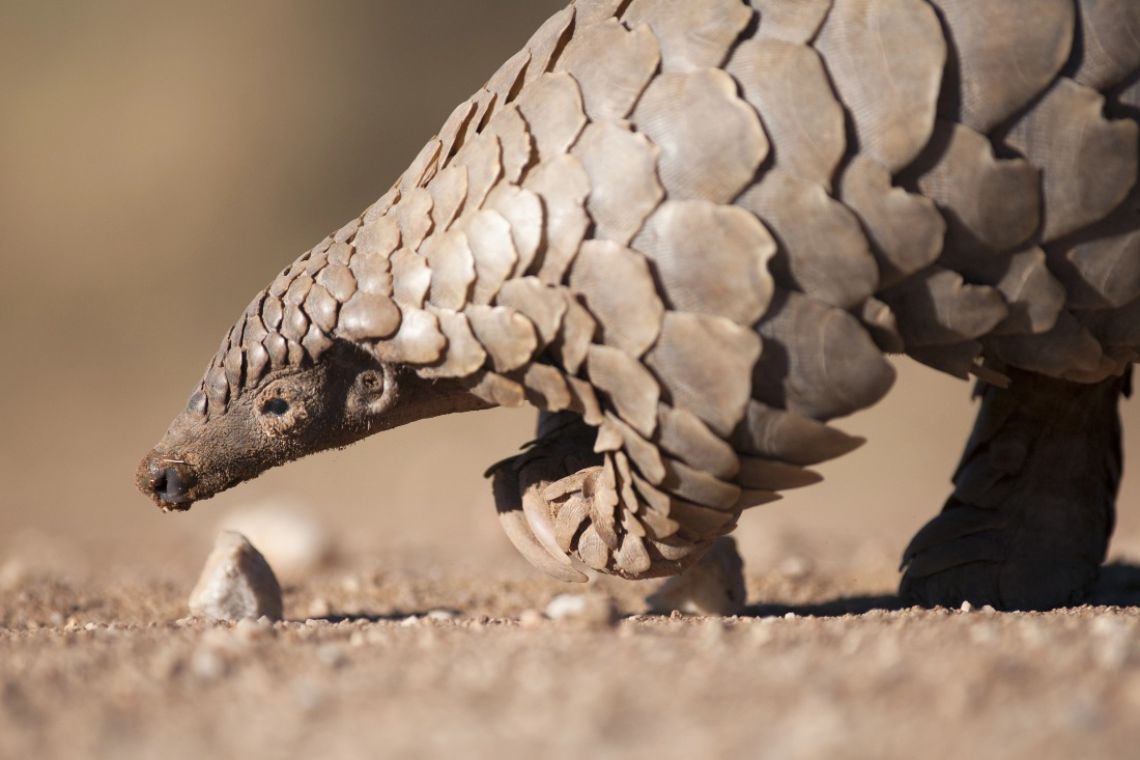
Pangolins are widely recognised as the most trafficked mammal globally.
Let that statement sink in for a moment. More than rhinos or elephants. Pangolins. A small, armoured animal you have probably never seen in your life. An estimated one million pangolins have been harvested in the wild in the last decade, with poaching levels in Africa reaching industrial scale.
I first learned about these gentle creatures, and the threat they are facing, at a public talk hosted by the Ditsong Natural History Museum – the first step in a new exhibition design.
During the Q and A afterwards, I was struck by how guests were conflating pangolin cultural uses in Africa and Asia. Given the potential impact this kind of confusion could have on conservation efforts, I wanted to take a moment to explore how communities on the two continents engage with this elusive animal.
Learn about how big the trade in pangolins is, how many animals are dying to supply it, and what people are prepared to pay for pangolin scales – which, I would just like to remind everyone, are made of the same stuff as your nails (imagine paying thousands of dollars for a sackfull of nail trimmings).
From there the article explores ethnographic research into cultural practices around pangolins in Africa, and compares it to those in Asia, especially Mainland China.
It’s a story about growing wealth inequality, about rural poverty and about reluctant or uneven regulatory administration.