I have in recent weeks become a born-again journaling fanatic.
But a frustrated one, because almost nobody seems to understand. They say things like, yes I find taking time for reflection very important while others are like, yeah, my journal is just full of swear words. And they are just not getting it.
JOURNALING HAS CHANGED MY LIFE.
And I want it to change yours too, so I am turning to my captive audience (that’s you – sorry, not sorry) to try get this life altering experience off my chest and hopefully, maybe, change your lives as well.
Instinctive Pull
On reflection, I think this has been something I have been pulled towards for a very long time.
As a child I repeatedly tried to keep a diary. Dear Diary, I would start, and then stop. I simply felt like I had nothing to say, nothing worthy of recording. It is an idea I recently realised that I have carried through into my adult life – one that is extremely poisonous. Journaling has both helped me realise that and has become the way I am combating it.
I had my first serious boyfriend at age 19. We were living together in this tiny room with two single beds pushed together and just enough space to squeeze around the wardrobe.
One day we had a fight. Over nothing, or at least he acted like it was nothing. And I was bubbling over with frustration and anger and all sorts of emotions I did not have the bandwidth to deal with.
So I borrowed some paper from the office and a yellow plastic pen and sitting alone on that bed I scribbled it all down. I vented out all the emotions and the thoughts and all the things parts of me wanted to say, that other parts of me (the ones who liked having a boyfriend) really did not want me to say.
And I was calm, afterwards. I went to dinner and chatted with my friends and thought no more of it. I especially thought no more of the fact that I had left the papers lying on the bed. I don’t know if I forgot I was sharing the room, or if I just assumed the man had human decency.
Well when I returned later it was to find my boyfriend sitting on the bed, with those scrawled papers in his lap and tears soaking his dirty blond goatee. I had to spend the next hour comforting his hurt feelings and assuring him that of course I didn’t want to break up.
I never turned to journaling again.
Others Reading Your Journal
Yes, it can happen. Yes, it is shitty when it does. But there are two things to keep in mind.
1) The person who does that to you has shown you their real-self. They have shown you that they can not be trusted, because EVERYBODY knows that a diary or journal is private. They knew what they were doing, they knew it was wrong, and they did it anyway.
2) You shouldn’t worry too much about what they will learn, because they are likely to do exactly what my ex-boyfriend did, which was make it all about themselves, because your most personal thoughts are just fodder for their martyrdom.
I think back on that tale now and it enrages me. That the thing I needed for my mental health was there the whole time, that I was instinctively reaching for it, even in a unstructured way. And someone took that away from me for his own damn ego, to make sure I would remain dependent on him. FUCK.

Return to the fold
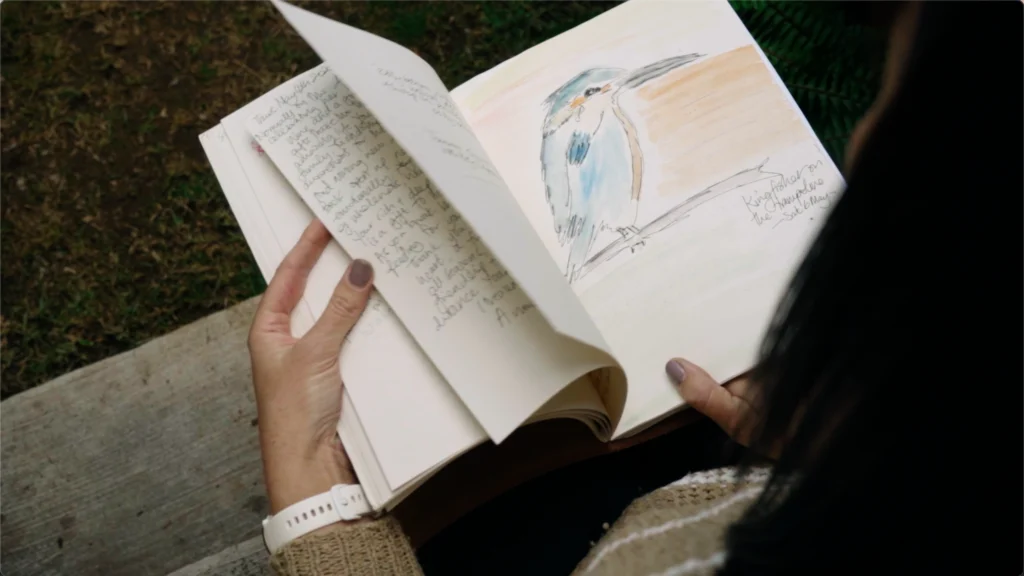
Honestly, I don’t think I understood what journaling was before this journey. I think, I kind of thought of it as something artists did, little mini sketches or descriptions or observations, that kind of thing.
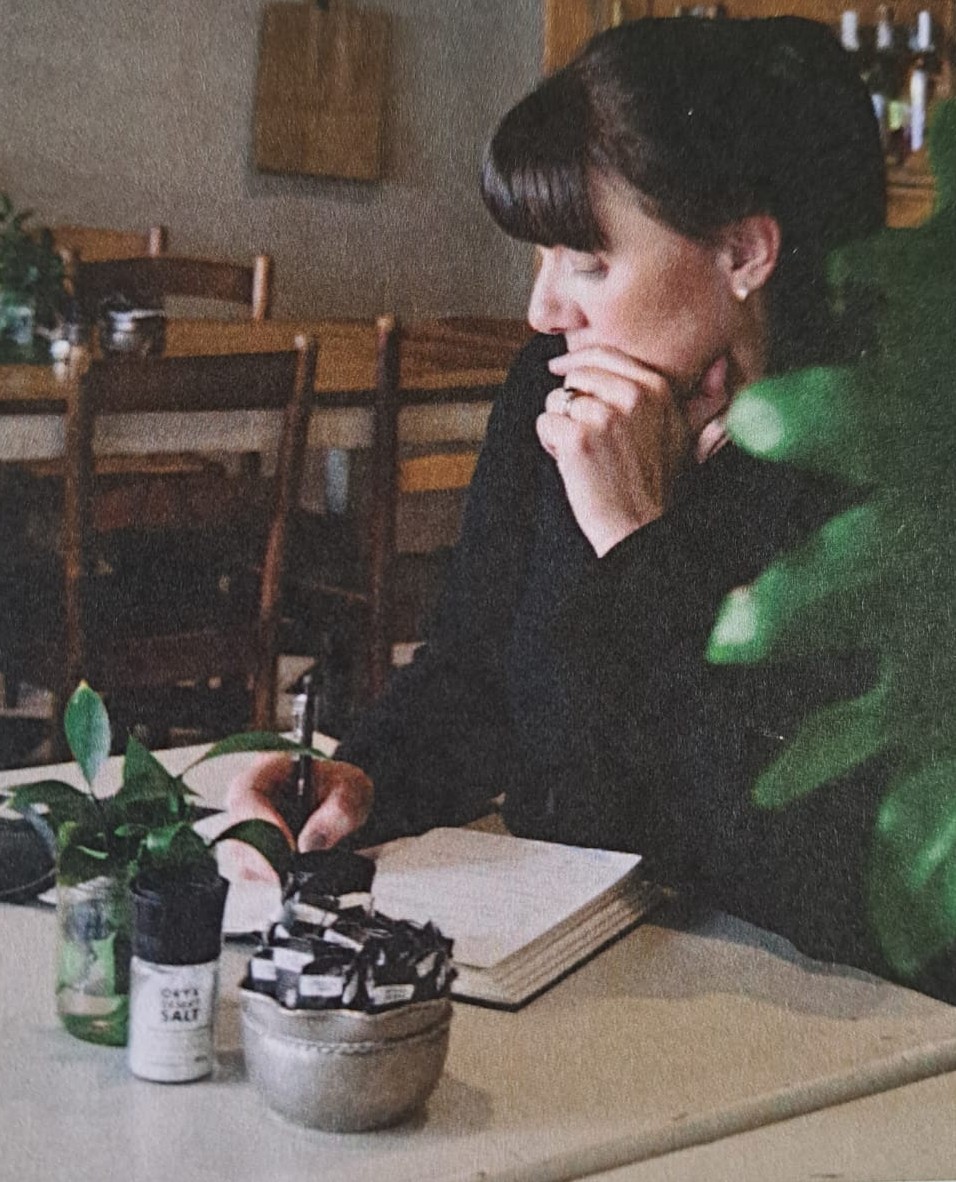
But my writing teachers are big proponents of Morning Pages* as a way of unblocking creativity and finding your unique voice. It was a practise I had been doing for months and feeling increasingly dissatisfied with. The pages were just filled with such mundane, mechanical notes. Lists of what I had done the day before, plans for the coming day. Nothing creative. And I was starting to wonder what the point of it was.
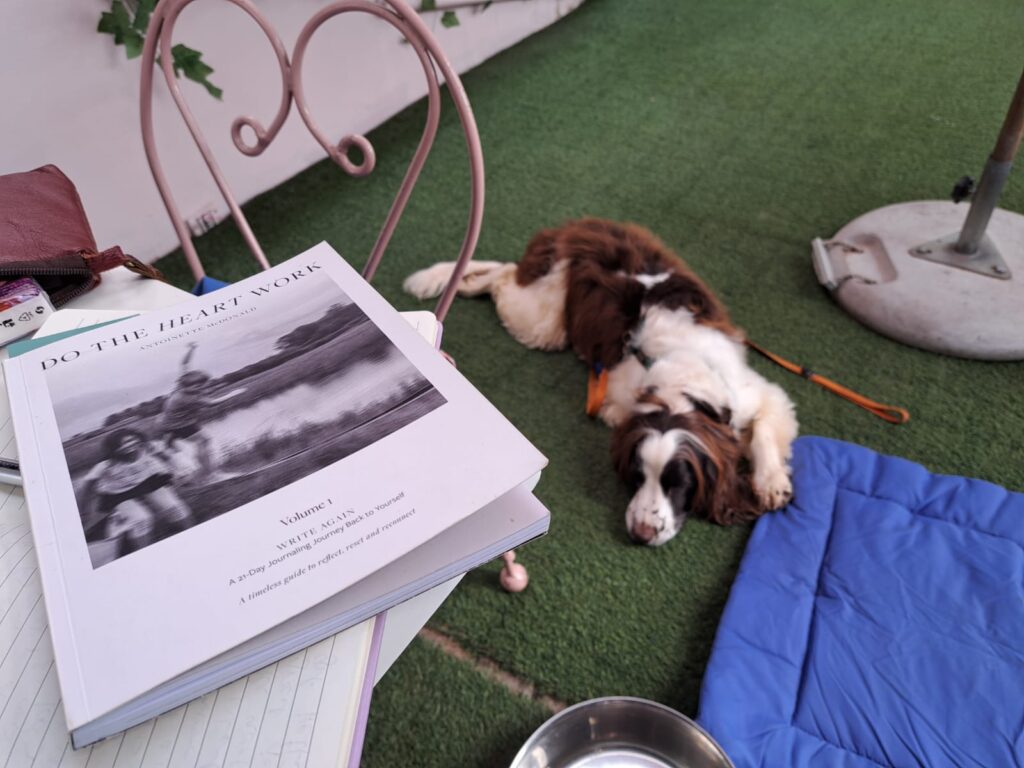
Then I went to the journaling workshop with Antoinette McDonald at Kingsmead and my life literally changed.
Ant talked about what journaling really is – a way to access and examine your feelings. She talked about being mindful, being present and content in your life.
She glowed. And thought: I want a piece of that.
What is Journaling?
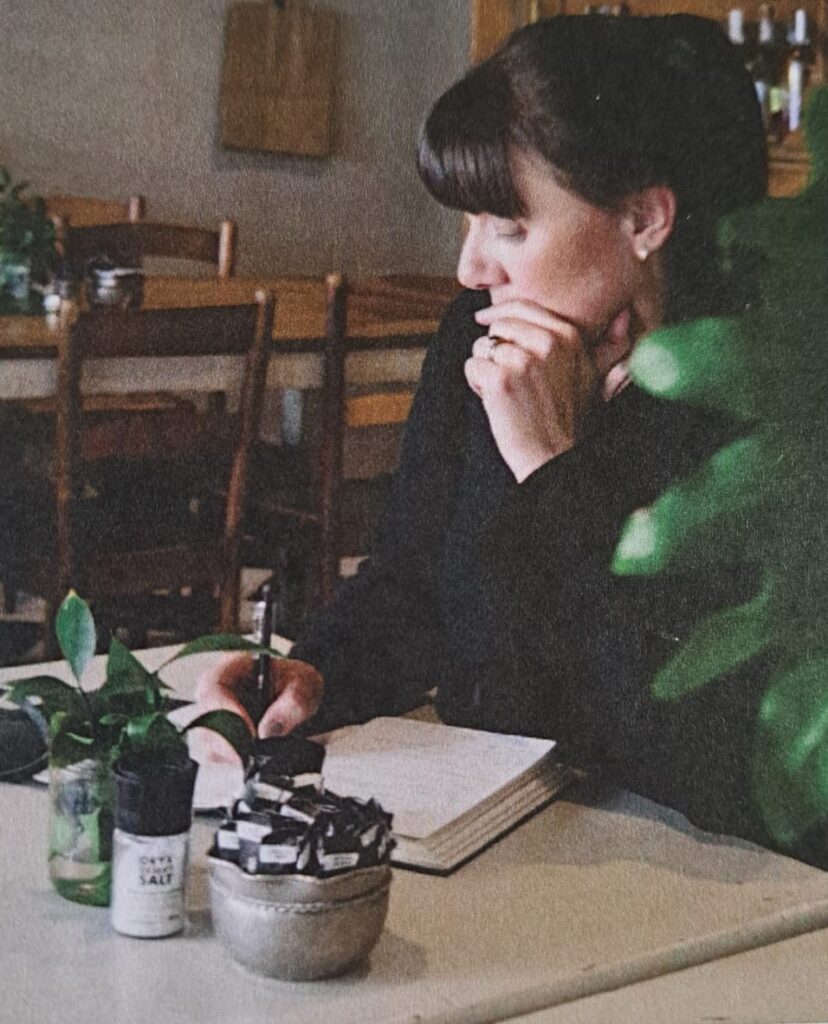
So journaling is about examining your innermost thoughts and feelings. And giving them voice, space to stretch out and speak their truths. The action of writing (at least for me) forces you to follow your thoughts to a logical conclusion. Ideas can get so easily derailed, can feel much more formed than they actually are until you force them onto a page. They can feel a lot more real too, sitting there looking back up at you, no longer hiding in the gloom of the mind.
The journal is a place to find your emotions. I was raised to not show emotions. Hell, to not even feel them. I know a lot of other people were too. But emotions don’t stop being there even when you have built a brick wall around them, they just ooze out in other (destructive) ways. The journal is a place were I have been able to map out the manifestation of my emotions, what symptoms I have noticed, and to ask myself why are they there, what am I feeling?
It has allowed me space to acknowledge when I’m feeling bad and made me more aware of and sympathetic to my own feelings. (A year ago I would have rolled my eyes at saying these things, but I no longer feel embarrassed about having emotions – showing them to others is a different matter, baby steps).
Even more than that, the journal has given me space to ask why I feel that way about a given situation – what are the ideas or beliefs I am finding myself in conflict with? And that is the real game-changer.
Those answers don’t come automatically. Sometimes they swim up from the depths when you are doing something else. Sometimes you find your way to them in a nest of other words. Sometimes it takes a few days for them to surface. But each time they have. And when they do they often come with the realisation of an emotional need or unhealthy belief that the feeling was rooted in.
It is a space to examine those long held ideas, to decide on their truthfulness and to work on letting them go.
I have cried into my journal dragging hurts to the surface. And I have frequently sat immobile and blank afterwards, like a boil that has been drained. This sense of peace and quiet. Catharsis.
Keep Going
My Morning Pages now excites me, it has begun to fill with creative notes – normally about books I’m reading and story ideas, and even dreams. This journaling journey, by happy chance, also overlapped with my finding Gentle Writing Advise (coming soon). These two sources wonderfully supported each other and have been instrumental in unlocking my writing.
Ant called journaling the cheapest form of therapy. It’s a way to connect with the feelings and thoughts happening below the surface. It’s an open call to take time for yourself and to reflect on your life, your everyday, and the things that matter to you. To look for your whys and for the things that are holding you back.
My journal now barely leaves my side. I have used it to recover from dreadful disappointment in a matter of days that previously would have initiated months of depression.
I am looking forward now with a new optimism that has been missing for a very long time. My only regret that it took me so long to find it.
Start a journal people, there are no bad sides here.
* Morning Pages, a practice introduced by Julia Cameron in The Artist’s Way, involves writing three pages of stream-of-consciousness longhand writing first thing in the morning. It’s a tool for clearing the mind, accessing creativity, and promoting personal growth by externalizing thoughts and feelings without judgment or the need for polished prose. AI definition, google